

When Exhaust Air Streams Become Challenging
Thermal incineration is required when VOC-laden exhaust air must be treated safely—even under demanding or fluctuating process conditions. The processes operate at high temperatures and oxidize organic compounds directly in the combustion chamber. Compared to catalytic incineration, it is less dependent on an exact match in exhaust gas composition; compared to regenerative thermal incineration, the focus is not on maximum heat recovery but on robust high-temperature oxidation. Key factors in the design are temperature, residence time, and uniform mixing of the exhaust air. As a result, TNV is particularly well-suited for processes where safety, process stability, and reliable emission levels are critical.
VEN CLEANAIR TNV Thermal Incineration Systems
Designed from the combustion chamber to the process connection
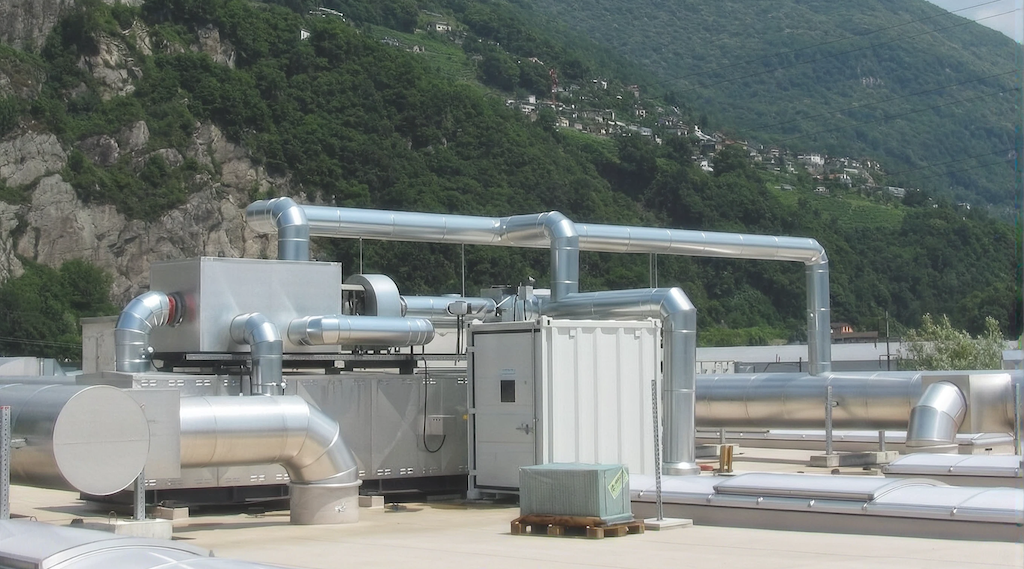
VEN CLEANAIR TNV systems are not considered in isolation but are planned to fit the production environment. In addition to the combustion chamber and burner technology, the design also includes media supply, safety concepts, system control, maintenance access, and integration into existing exhaust air systems. The result is a TNV solution that is technically compatible with the process and practically suited to operations.
Explore VEN CLEANAIR TNV

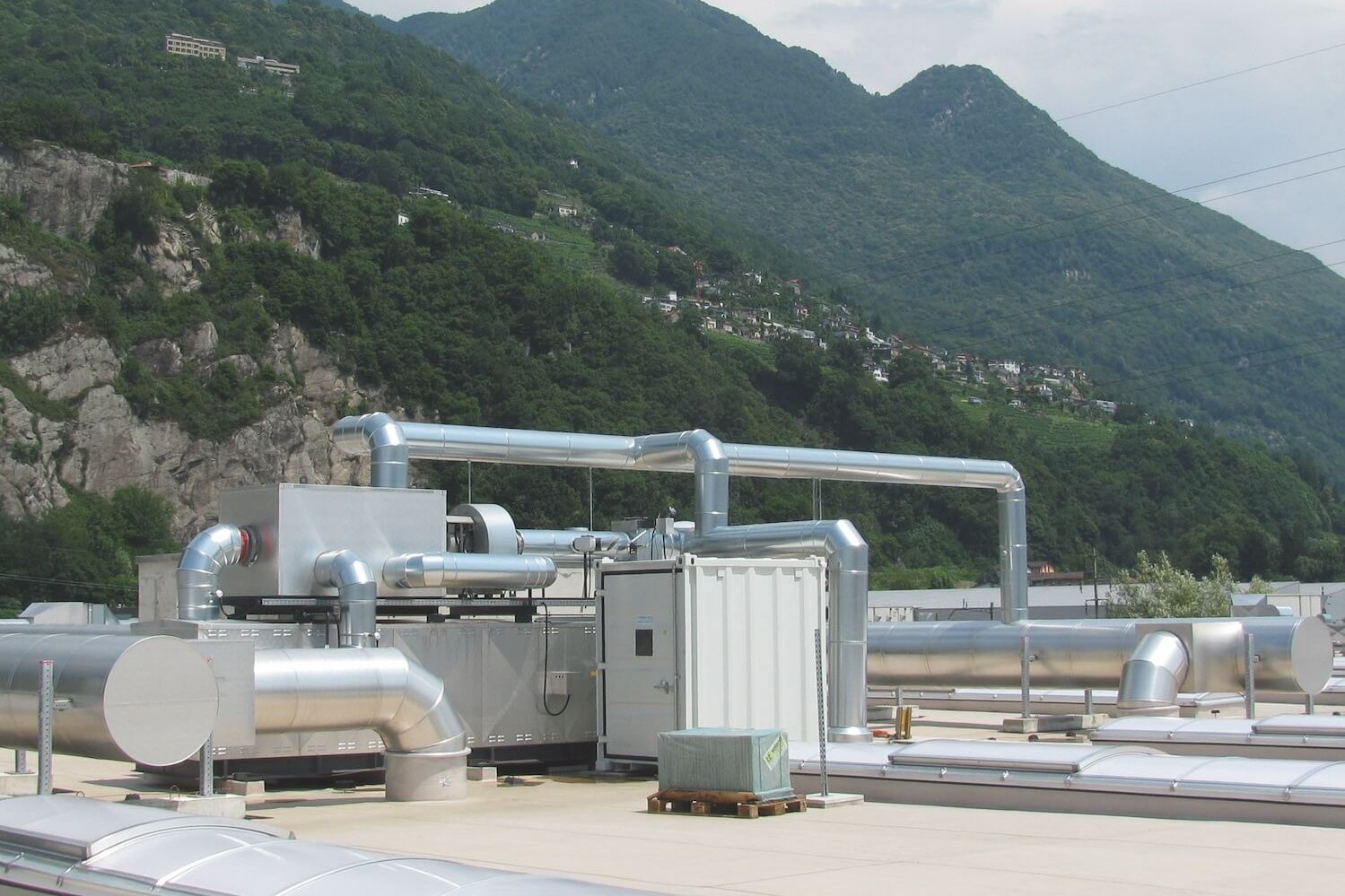
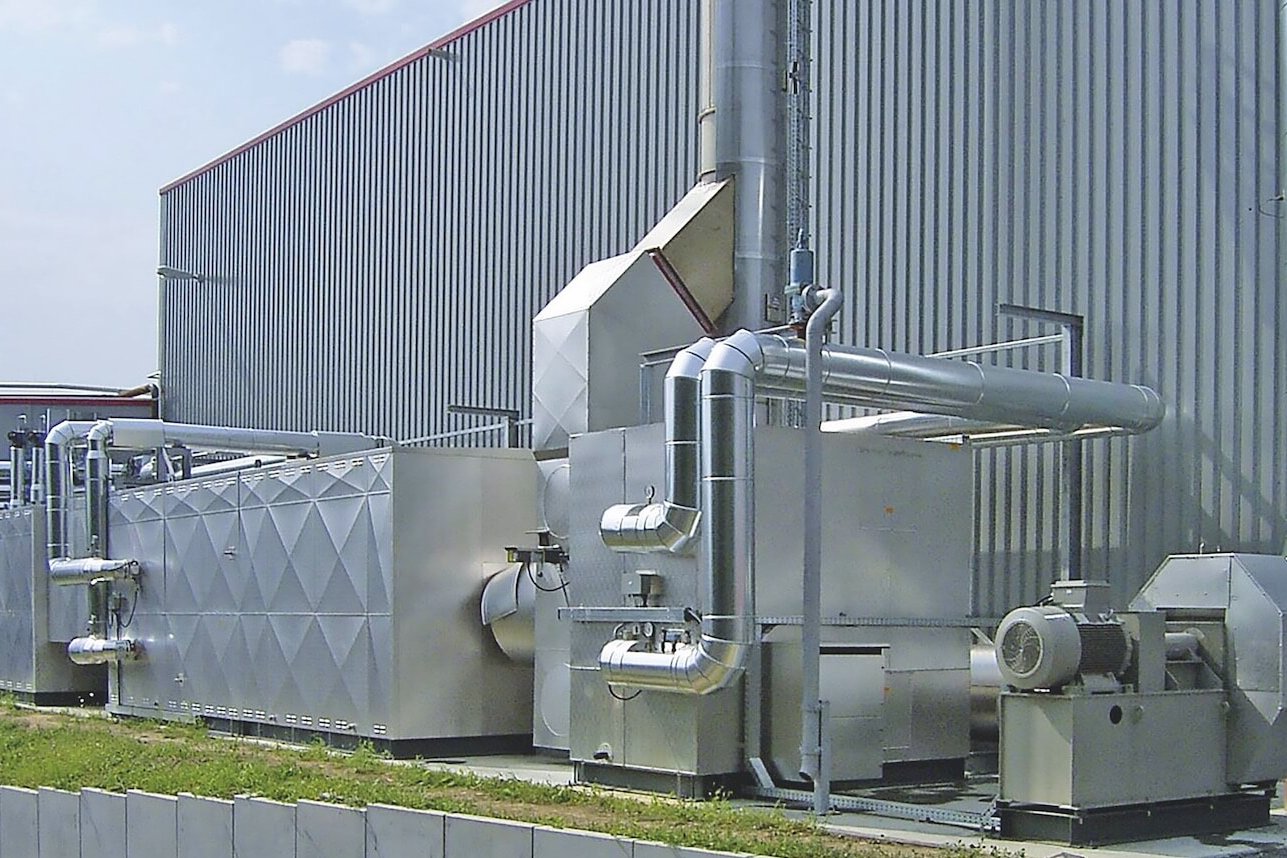
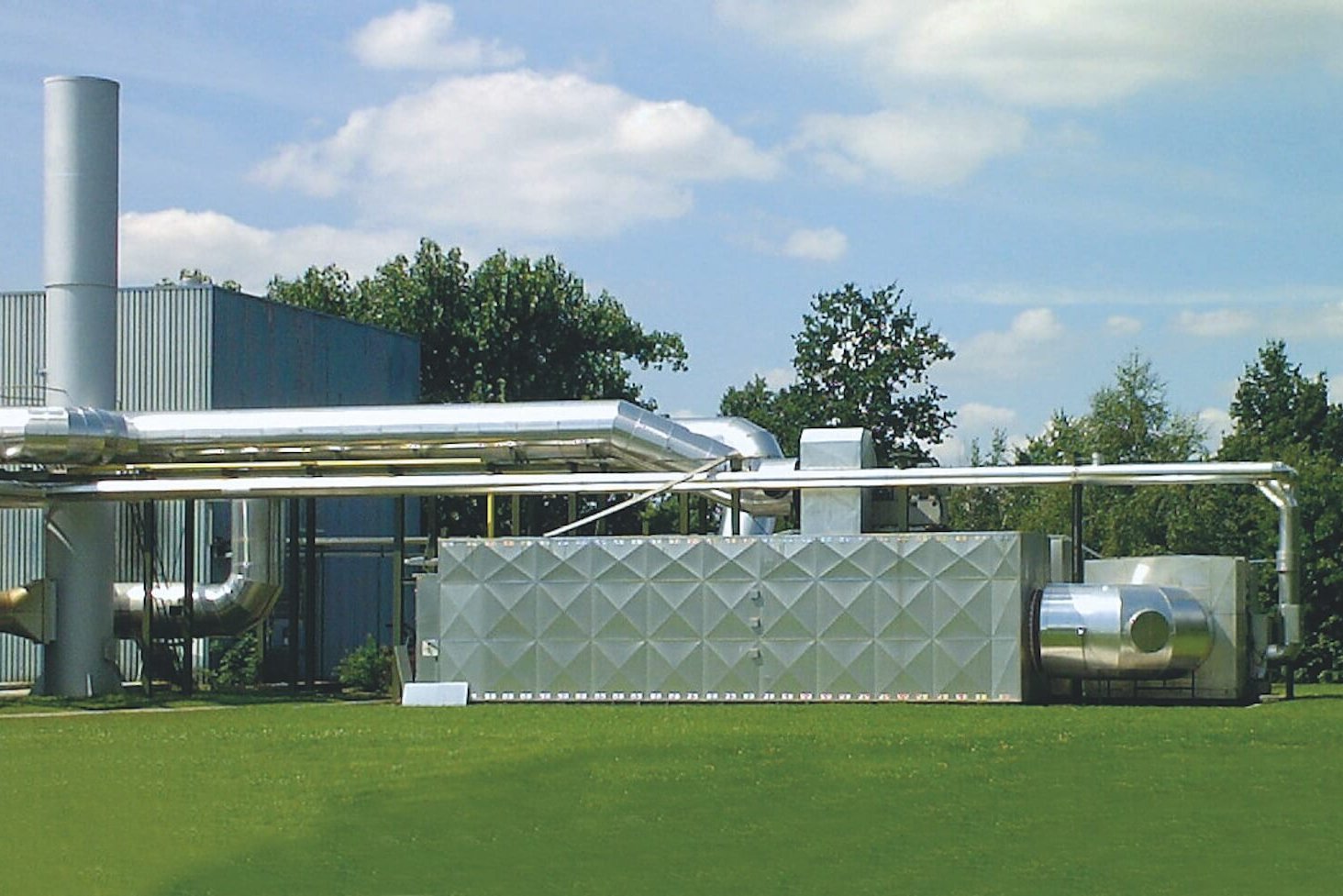


Post-combustion processes reliably oxidize VOCs into CO₂ and water. Depending on the exhaust air stream(s), pollution load, and energy requirements, three established processes are used. The following overview helps simplify the selection process for applications such as coating, drying, and adhesive application.
Industry-Specific Solutions for Clean Exhaust Air
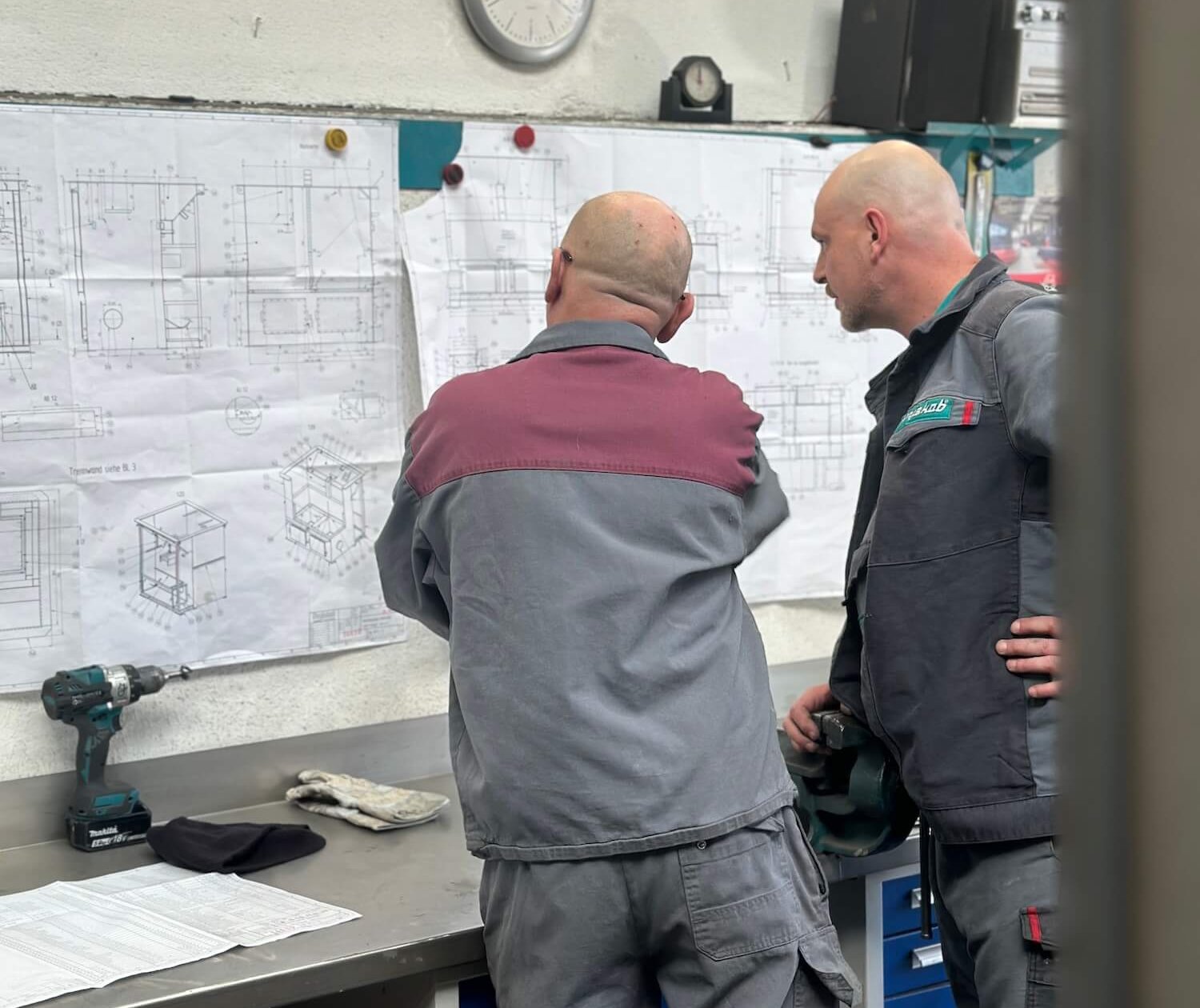
Every industry has its own pollutants, volume flow / airflow volume, and emission limits. Venjakob Umwelttechnik develops exhaust air treatment solutions tailored to these differences—drawing on decades of experience across various industries. The result is systems that reliably comply with emission limits and can be operated cost-effectively.


